Undertale
 GFA METERGREAT
.jpg)
Undertale is the rare RPG that walks into the room wearing tiny pixel shoes, tells you that you do not have to kill anyone, and then proceeds to emotionally body-slam you with a skeleton, a goat, several dogs, and the most suspicious flower in gaming history.
Released on 15 September 2015 and created mostly by Toby Fox, Undertale looks modest at first glance: simple pixel graphics, retro menus, small environments, and battles that initially seem like old-school RPG business as usual. Then the game quietly pulls the rug out from under you and says, “What if the enemies were not just XP bags with legs?” Steam’s own description sums it up perfectly: this is an RPG where “you don’t have to destroy anyone,” and that one idea changes everything.
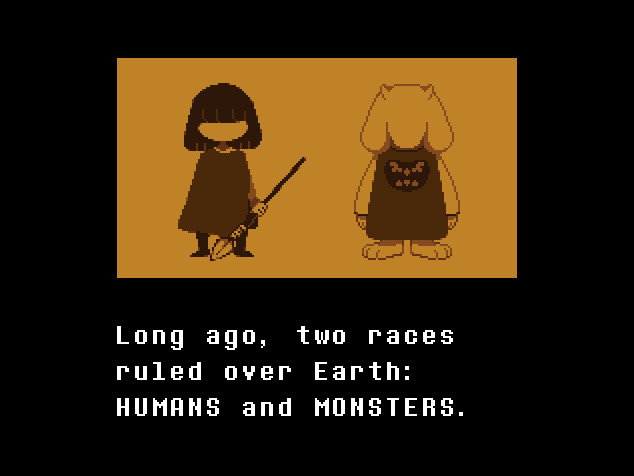
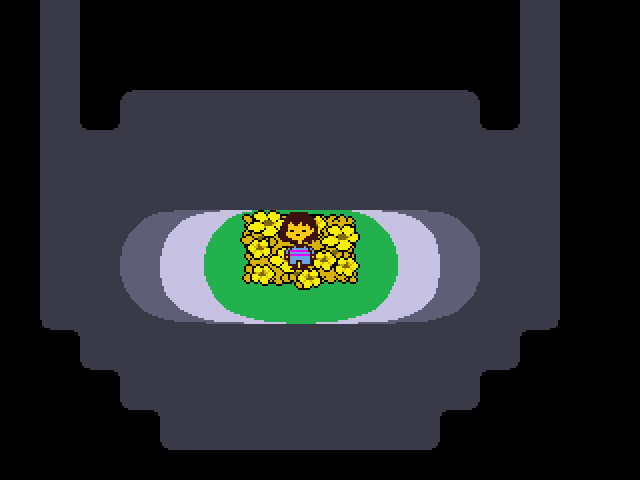
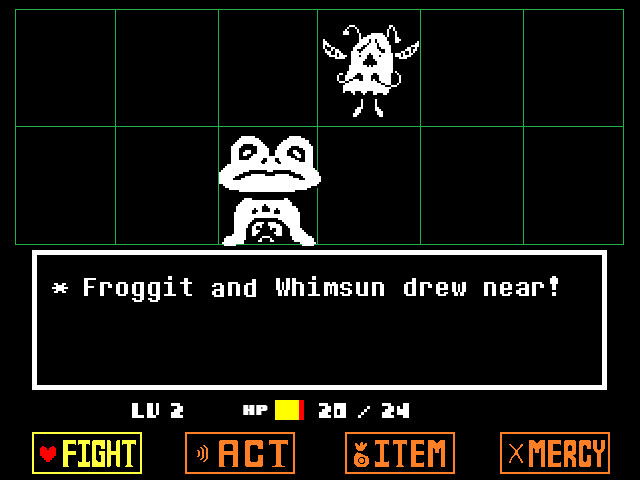
You play as a human child who falls into the Underground, a world of monsters, puzzles, awkward conversations, dramatic misunderstandings, and enough personality to power several larger games. The central twist is the battle system: you can attack, yes, but you can also negotiate, spare enemies, and survive their attacks through little bullet-hell dodging sequences. It turns every encounter into a mini character sketch. Some enemies are dangerous. Some are lonely. Some just need compliments. Some probably need therapy.
The writing is the star. Undertale is funny in a way that feels effortless: skeleton jokes, weird NPC dialogue, absurd item descriptions, and moments where the game seems to be staring directly at you through the monitor. But it is not just a meme machine. Under the comedy is a surprisingly soulful story about mercy, consequence, friendship, guilt, and the uncomfortable fact that games usually train us to solve everything by reducing the population count. Steam tags highlight its story-rich nature, choices, multiple endings, humor, dark turns, and psychological horror elements—and yes, all of that somehow fits in the same package.
The soundtrack deserves its legendary status. Toby Fox’s music is not just “good for an indie game”; it is one of the main reasons Undertale became a phenomenon. Themes are catchy, emotional, and instantly tied to characters and moments. The game’s own Steam page proudly calls out the original art and soundtrack as “brimming with personality,” which is not marketing fluff—it is basically the whole experience compressed into one sentence.
That said, an honest review has to admit the obvious: Undertale is not a technical showcase. The graphics are charming rather than impressive, and some puzzles are fairly simple. The interface can feel deliberately old-fashioned, and players who dislike quirky writing may find the humor too self-aware. Also, if you already know all the memes, some surprises may hit slightly softer than they did in 2015.
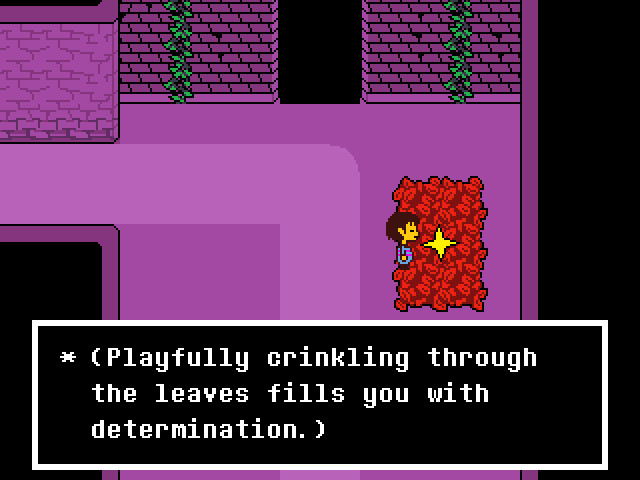
But even now, Undertale holds up because its best ideas are not dependent on technology. It is clever, warm, strange, and unusually respectful of player choice. It is also still massively loved: Steam currently shows Overwhelmingly Positive recent and English review scores, with 96% positive in both snapshots shown on the store page. It also has a Metacritic score of 92, which feels about right for a game that somehow made “dating a skeleton” sound like a reasonable bullet point.
Undertale is not just an indie classic; it is one of the clearest examples of how a small game with strong ideas can completely outshine bigger, louder titles. It proves you do not need a giant budget to create something unforgettable. Sometimes all you need is a good battle system, a great soundtrack, a few emotional gut punches, and at least five dogs. Possibly six. The game is unclear on this matter.
Screenshots