ESC ape, You died?
 GFA METERSTRONG
.jpg)
Most games hide the settings menu because nobody wants to think about it. **ESC ape, You died?** looked at brightness sliders, resolution options and key bindings and apparently thought: *“These are criminally underutilised weapons.”*
The result is one of the strangest little puzzle-platformers we’ve seen this year.
Developed and published by Korean indie developer **Salt&Vinegar**, ESC ape, You died? launched on Steam on **30 September 2026** with a magnificently ridiculous technical ambition: make an entire game small enough to fit onto a **1.44 MB floppy disk**. Yes, the ancient plastic square your parents used to save three Word documents and a picture of a cat. The actual Steam installation asks for just **2 MB of storage**, meaning there is a reasonable chance this entire game is smaller than the thumbnail Steam uses to advertise your average AAA release.
But the tiny file size is not simply a publicity stunt. It directly influences the game's identity.
Press **ESC**, and instead of merely finding the place where you turn the music down because somebody is trying to sleep, you find the game's primary puzzle-solving toolkit. **Brightness, volume, resolution and key bindings are all mechanics.** UI windows can physically block enemy projectiles or attack enemies themselves. Even manipulating the operating-system window can apparently become part of the solution. The developer goes as far as hinting that meddling with the game's files might occasionally be useful.
At this point Windows Settings should probably receive an assist credit.
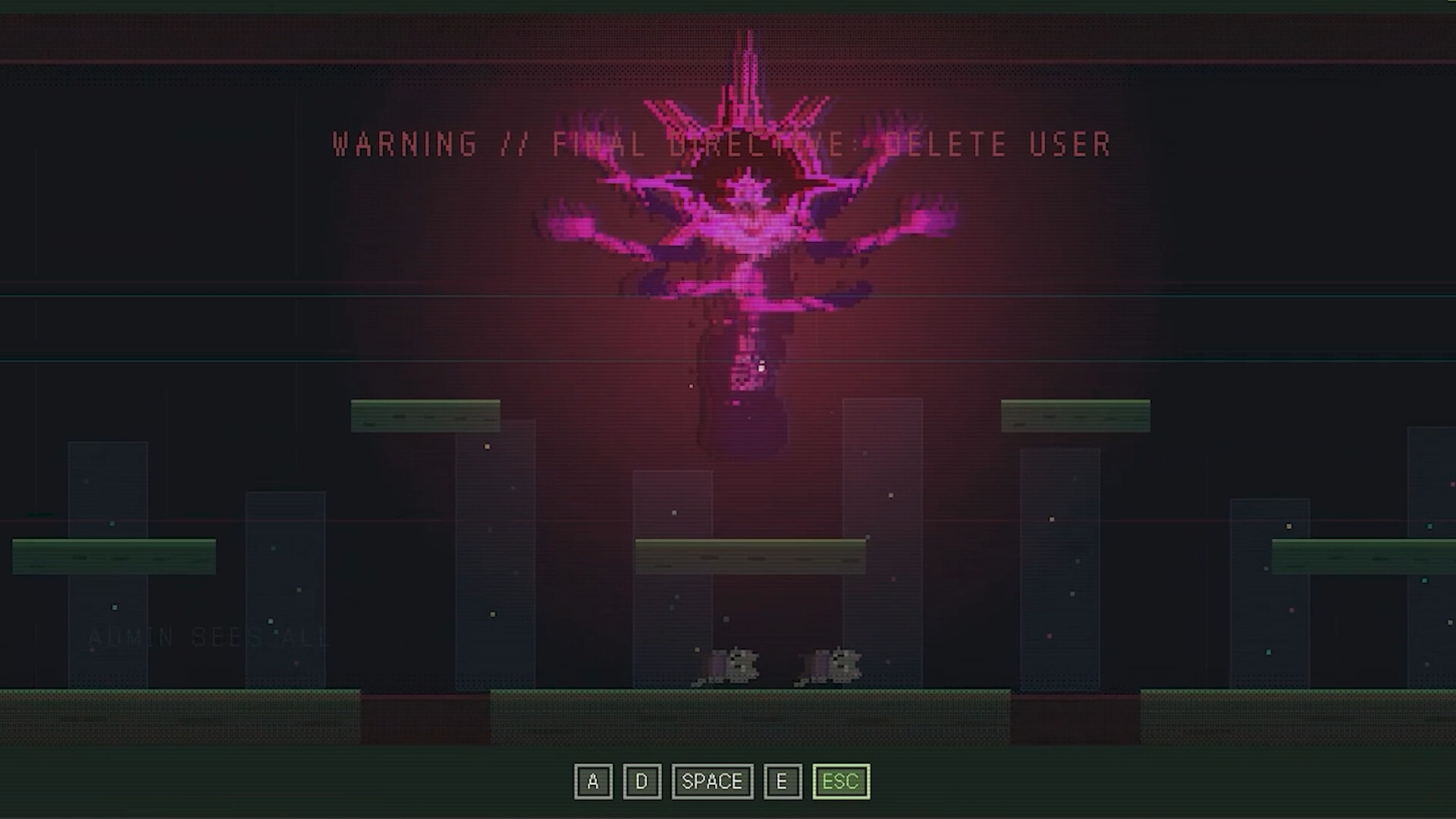
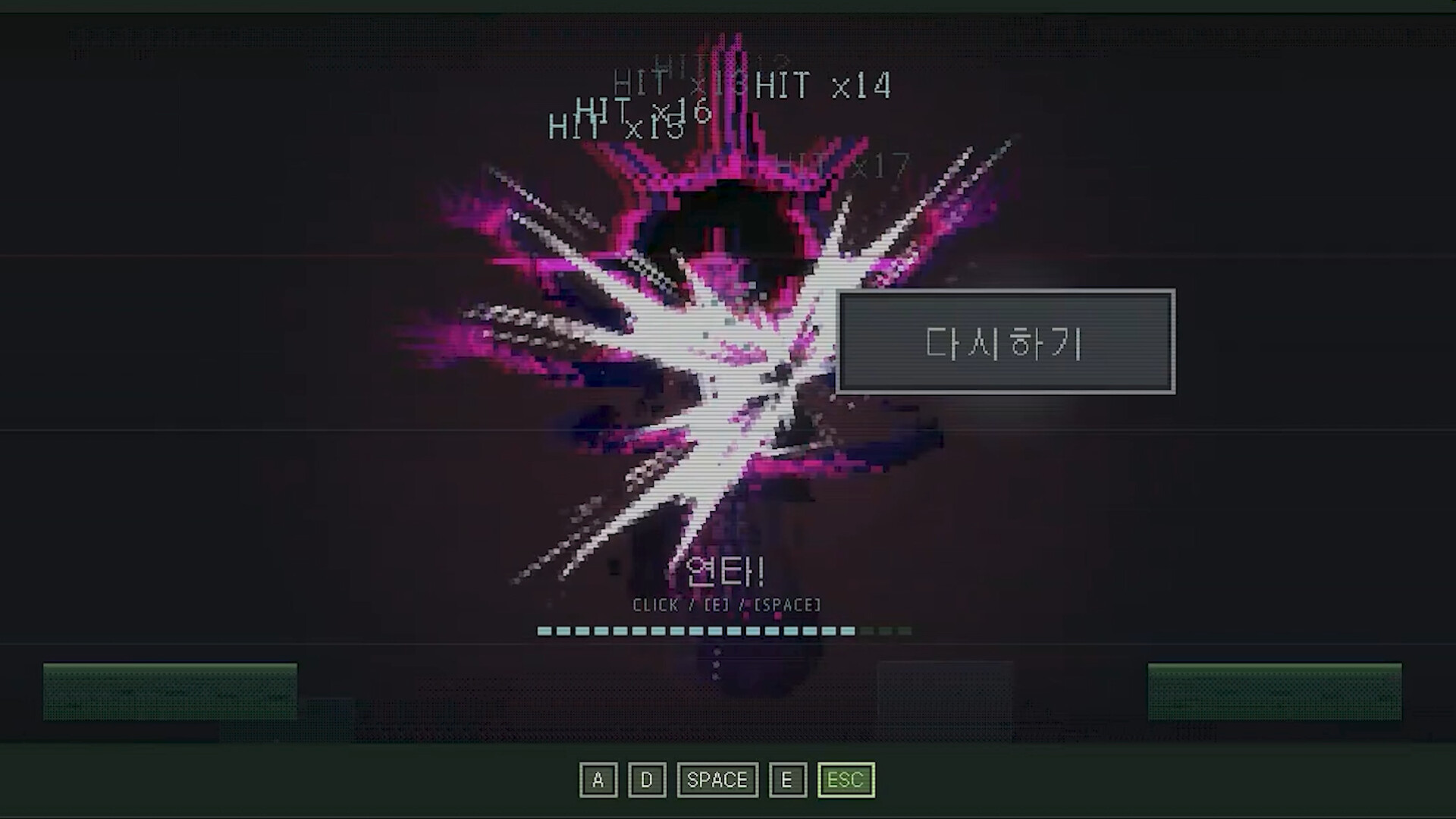
The basic objective is to work your way through each stage, deciphering increasingly unconventional puzzles before eventually attempting to overthrow the mysterious **ADMIN**. On the surface it resembles a tiny retro platformer, complete with deliberately old-fashioned pixel presentation. Underneath, it is really a game about questioning everything we have been conditioned to treat as *outside* the game.
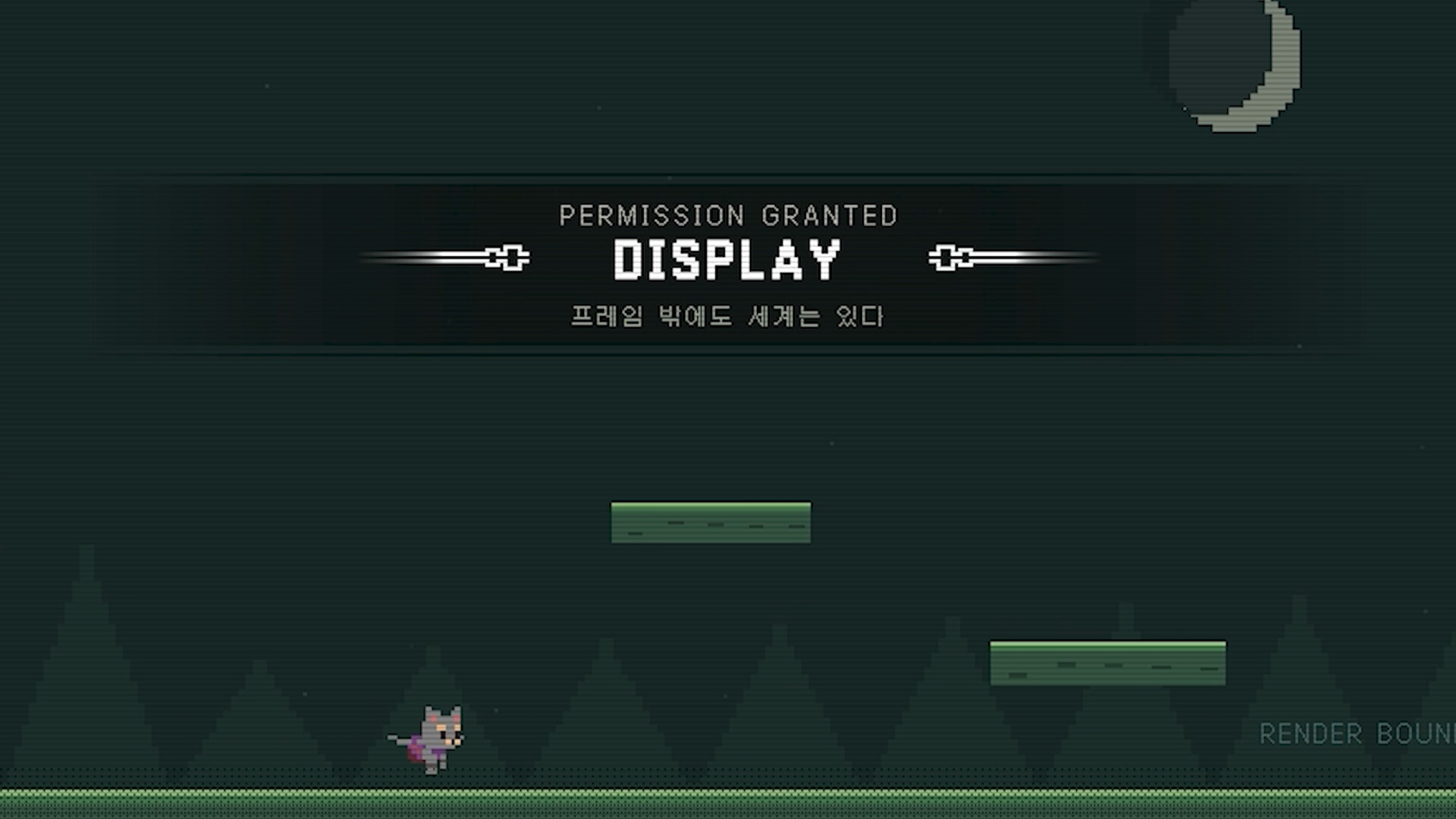
Can't see the solution?
Maybe brightness isn't just brightness.
Enemy shooting at you?
Perhaps the menu itself would make a perfectly respectable riot shield.
Can't reach something?
Before blaming the level designer, it might be worth checking whether your resolution slider has suddenly become a piece of puzzle equipment.
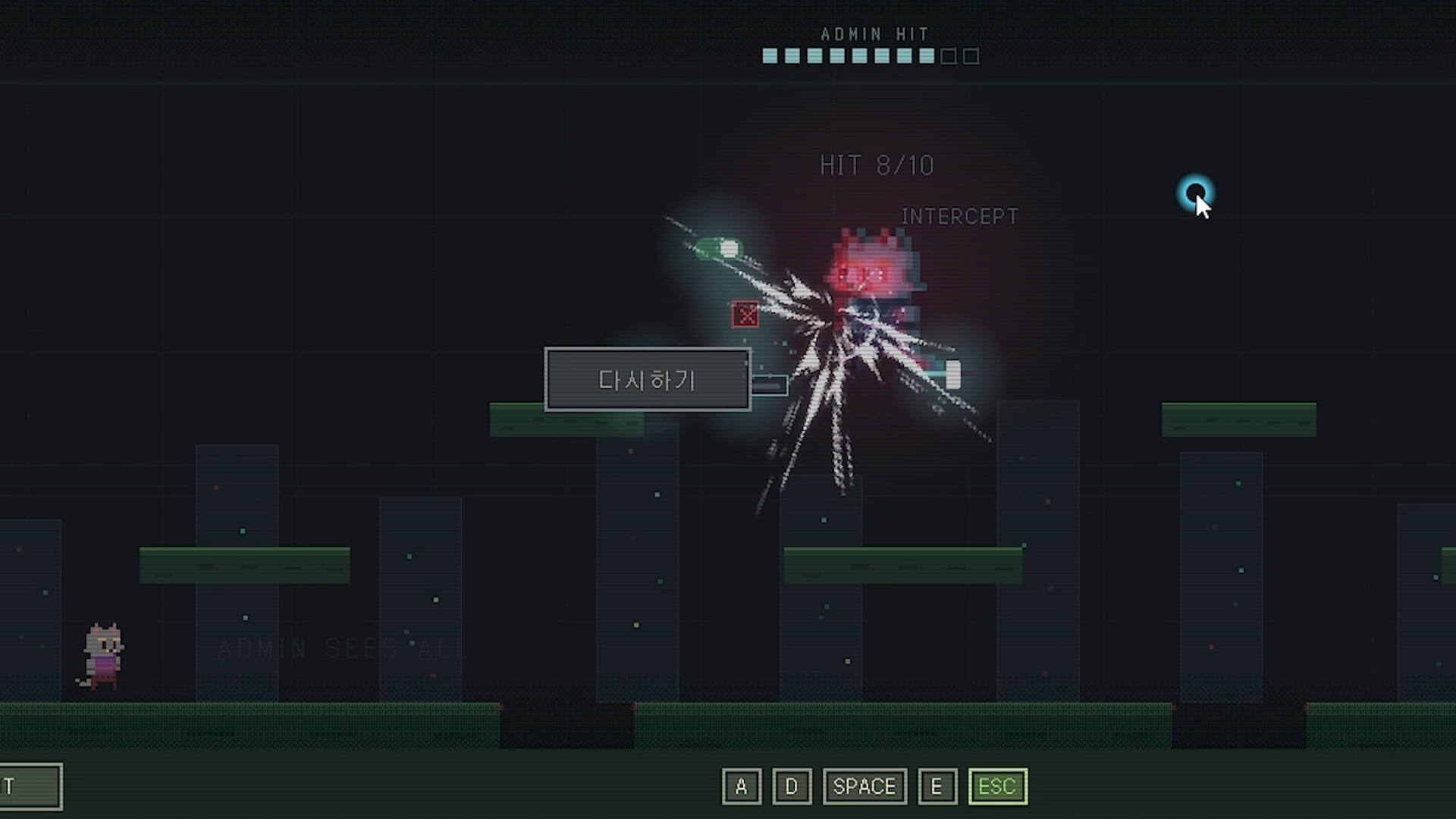
It is the sort of design that generates lovely moments where you spend five minutes staring at a problem before suddenly saying, *“Surely they don't expect me to…”*
They do.
And that is easily ESC ape's biggest strength. It makes you feel clever because its solutions require breaking gaming habits rather than memorising conventional mechanics. We've spent decades being taught that menus are menus, windows are windows and configuration files should generally be left alone unless we enjoy reinstalling things. ESC ape gleefully attacks those assumptions.
The **1.44 MB restriction** also gives the whole project an authenticity that most deliberately retro games don't have. Plenty of developers reproduce 1980s or 1990s graphics. Salt&Vinegar essentially decided to reproduce the *technical anxiety* as well.
There is even an interesting compromise surrounding the audio. The developer discloses on Steam that AI assistance was used when composing music because conventional audio files would have blown through the floppy-sized storage target. Instead, the game generates audio through a code-based synthesizer, with the developer explaining that their lack of musical background led them to use AI assistance for composition.
Players' feelings about that will obviously vary, and it is worth knowing before buying. Credit is due for clearly disclosing it and explaining the technical reason rather than quietly pretending nobody would notice.
There are other limitations.
This is fundamentally a **small experimental indie game**, not Portal 3 hiding inside a floppy disk. The pleasure comes from discovering its tricks, and that naturally means some of the magic disappears once you understand them. Players looking for dozens of hours of progression systems, enormous levels and skill trees containing seventeen different varieties of +3% damage have very clearly arrived at the wrong address.
It is also possible for this sort of fourth-wall puzzle design to cross the line from *“that's brilliant!”* to *“how exactly was I supposed to think of that?”* Different players have very different tolerance levels for games that deliberately refuse to behave like games.
But originality counts for a lot, particularly in an indie scene drowning in perfectly competent titles constructed from increasingly familiar combinations of “roguelike”, “deckbuilder”, “survival” and “crafting”.
ESC ape, You died? actually has an idea.
A weird idea.
A tiny idea.
An idea that fits on a floppy disk.
And that makes it far more memorable than its microscopic installation footprint would suggest.
The [Steam](https://store.steampowered.com/app/5208240/ESC_ape_You_died/) release currently has too few reviews to produce an official aggregate rating — just **eight user reviews** at the time of checking — so it is much too early to declare it the next indie phenomenon. But the game does have an **introductory 20% launch discount running until 14 October**, making an already tiny experiment an inexpensive one to investigate.
It also supports an impressive **17 interface languages**, including Korean, Japanese, Indonesian, Thai, Vietnamese, Simplified and Traditional Chinese, making this unusually accessible for such a small Korean indie release.
### GameForceAsia-style score
- **Graphics:** 78% - **Sound:** 76% - **Gameplay:** 88% - **Fun:** 87%
**Overall score: 82.3%**
**Verdict:** **ESC ape, You died?** is exactly the sort of odd little indie experiment we love discovering. It is tiny, clever, deliberately ridiculous and built around turning things you normally ignore — resolution, brightness, menus and even windows — into actual gameplay. It probably won't occupy your life for three months, but it might permanently damage your ability to trust a settings menu.
And all of it fits into less storage space than some modern games use for a single unusually shiny rock.
Screenshots